
Osteonecrosis of the jaw
Also called: ONJ
What it means
Osteonecrosis of the jaw (ONJ) is a rare condition where part of the jawbone loses blood supply and fails to heal, sometimes linked to long-term use of certain bone medications.
Knowing about this rare risk helps you have informed conversations with your prescriber and dentist if you're on long-term bisphosphonate therapy.
Osteonecrosis of the jaw, often shortened to ONJ, is a rare condition where an area of jawbone loses its blood supply and doesn't heal properly, sometimes leading to exposed bone in the mouth. It's recognized as one of the uncommon complications linked to certain bone medications, particularly bisphosphonates like alendronate, risedronate, and zoledronic acid, when used over a long duration.
The connection makes sense given how these drugs work: bisphosphonates bind to bone mineral and get taken up by osteoclasts, slowing down the normal process of bone breakdown. This is generally helpful for reducing fracture risk, but it also means bone turnover in certain areas, including the jaw, can be affected differently over long periods of use.
It's worth knowing that this is described as a rare complication, not a common one, and it's associated primarily with long-duration bisphosphonate use rather than short-term treatment. If you're on one of these medications and have questions about your dental health, risk factors, or how long you've been treated, that's a conversation to bring to your prescriber rather than something to manage on your own.
How sure is this?
Graded Strong Clinical Evidence: Supported by multiple well-designed clinical studies in humans. Read each study with its grade in mind. One study is a piece of the picture, not the whole of it.
ONJ is a rare jawbone risk sometimes linked to long-term bisphosphonate use, worth discussing with your dentist and prescriber.
Where this leads
 Word
WordSince ONJ is linked to certain bone medications, see how bisphosphonates actually work and why they're prescribed despite this rare risk.
Where the Academy teaches it
This page is the short version. The lessons teach it in full, with the context around it and a quiz to lock it in.
Related words
Bisphosphonates are osteoporosis medications — like alendronate, risedronate, and zoledronic acid — that slow down…
An atypical femoral fracture is an uncommon break in the shaft of the thigh bone that looks and behaves differently…
Antiresorptive medications, like bisphosphonates and denosumab, slow down the cells that break down old bone,…
A drug holiday is a temporary, prescriber-guided pause from a bisphosphonate medication after several years of use,…
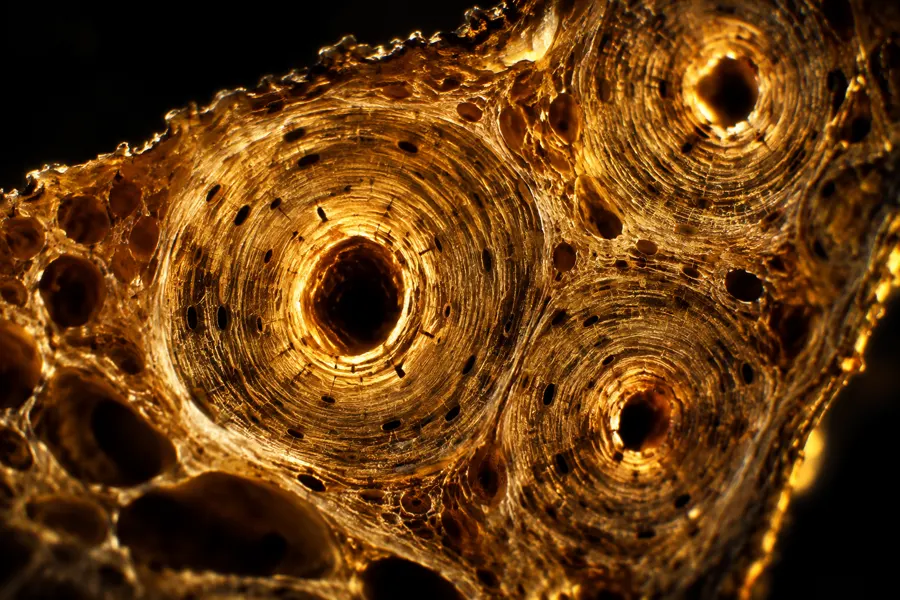
Osteoclasts are the cells that break down old bone tissue, working alongside bone-building osteoblasts to constantly…
This is a rare but serious side effect where jawbone tissue breaks down and doesn't heal, mainly linked to…
Ibandronate is a bisphosphonate drug, sold as Boniva, used to treat osteoporosis by slowing the breakdown of bone.
Alendronate is a bisphosphonate pill (brand names Fosamax, Binosto) used to treat osteoporosis. It slows down bone…
Education only, not medical advice. Decisions about tests, medications and treatment belong with your own doctor. OsteoStrong does not diagnose, treat or cure any disease.